Why Mississauga Lip Blush Looks Different on Every Skin Type
Lip blush has become one of the most-requested cosmetic tattoo Mississauga ON services across the GTA West, and that demand has revealed something most studios outside this market never have to confront. Mississauga's client base spans every Fitzpatrick skin type from I to VI, with substantial South Asian, East Asian, Filipino, Caribbean, African, Middle Eastern, Eastern European, and European communities all booking the same procedure with very different starting points. The result that lands on a Lorne Park bride with cool pink natural lip pigmentation will not look the same as the result on a Cooksville client with deep plum-purple natural lip color, even when the artist applies the same warm rose pigment using the same machine technique. The difference is not a problem with the procedure. It is a feature of how lip blush actually works, and it is why cosmetic tattoo Mississauga ON work demands more pigment chemistry expertise than most clients realize.
Xtremities Tattoo and Piercing has watched this play out across thousands of consultations at the 37 Dundas Street West studio in L5B 1H2. Clients arrive with reference photos saved from social media, often pulled from artists working on European Fitzpatrick II and III skin tones, and the conversation that follows is one of the most important parts of any cosmetic tattoo Mississauga ON appointment.
Lip Blush Heals to a Color That Is Up to 40 Percent Lighter Than Day One
The healed result of lip blush is significantly lighter than the day-one appearance. Lips look intensely colored immediately after the procedure because pigment sits at the surface and oxidizes with exposure to air. As the lip surface sheds and regenerates over the 7 to 10 day surface healing window, up to 40 percent of the surface pigment leaves with the natural skin shedding process. The pigment that remains is what settled into the deeper layers, and the true healed color only becomes fully visible at the 6 to 8 week mark. This is why the perfecting touch-up session is built into the lip blush appointment structure rather than being an optional add-on.
Mississauga Sees More Dark Lip Neutralization Work Than Almost Any Other Canadian Market
Mississauga's population of approximately 720,000 includes substantial South Asian, East Asian, Filipino, Caribbean, African, Middle Eastern, and Mediterranean communities, which means cosmetic tattoo studios working in this market handle dark lip neutralization at higher volumes than studios in less ethnically diverse Canadian cities. Naturally pigmented lips with cool blue-purple melanin tones require warm-orange neutralizer pigments to balance the underlying color before any chosen warm rose, coral, or berry tone can read true. The multi-session protocol is unfamiliar to clients arriving from social media reference images that mostly feature single-session work on naturally light-toned lips, and the consultation conversation about expectation alignment is one of the most important parts of any lip blush appointment in Mississauga, Brampton, and the broader GTA West market.
Modern PMU Pigments Heal Truer Than the Iron Oxide Formulations of a Decade Ago
The cosmetic tattoo work that produced the blue, gray, and red aged results visible on some clients today was performed using iron-oxide-only pigment formulations that have largely been replaced in professional studios. Modern pigments from manufacturers like PhiBrows SUPE, Permablend, Tina Davies, Perma Blend Luxe, Li Pigments, Brovi, and Evenflo use hybrid formulations that retain truer to their healed color and fade more cleanly when they do fade. The fifth-generation PhiBrows SUPE formula was specifically engineered to prevent the warm-tone shift toward gray or red that older microblading work commonly displayed at the 2-to-3 year mark. This generational shift in pigment chemistry is one reason why fresh cosmetic tattoo work performed in 2026 should be expected to age significantly cleaner than the work many clients have seen on friends or family members years ago.
What Lip Blush Actually Is
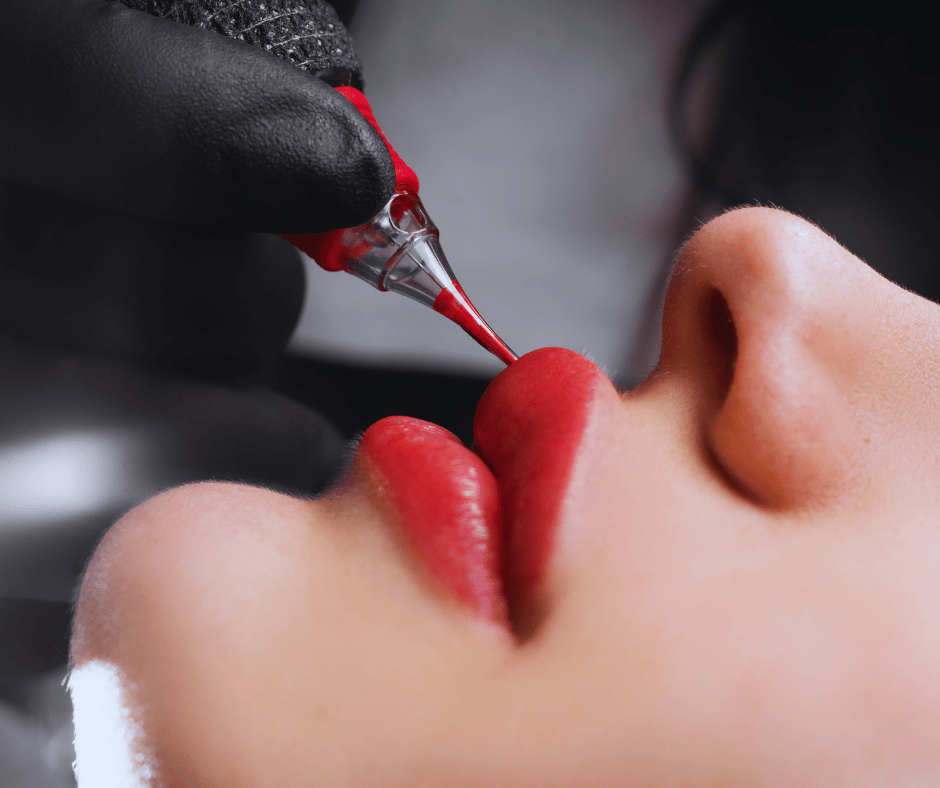
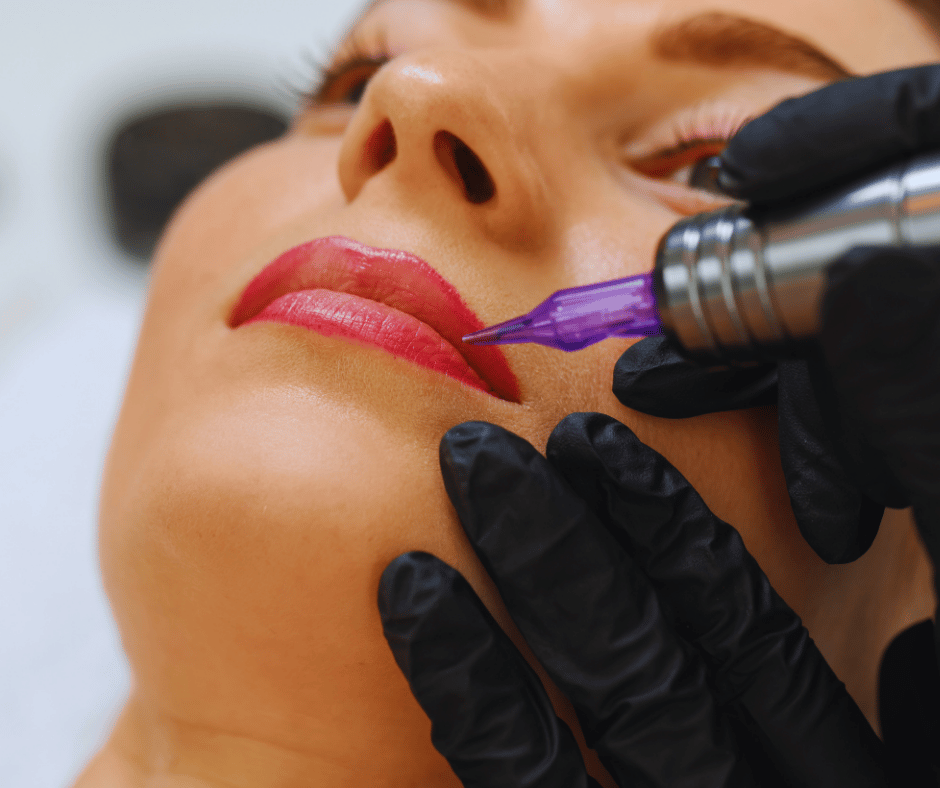
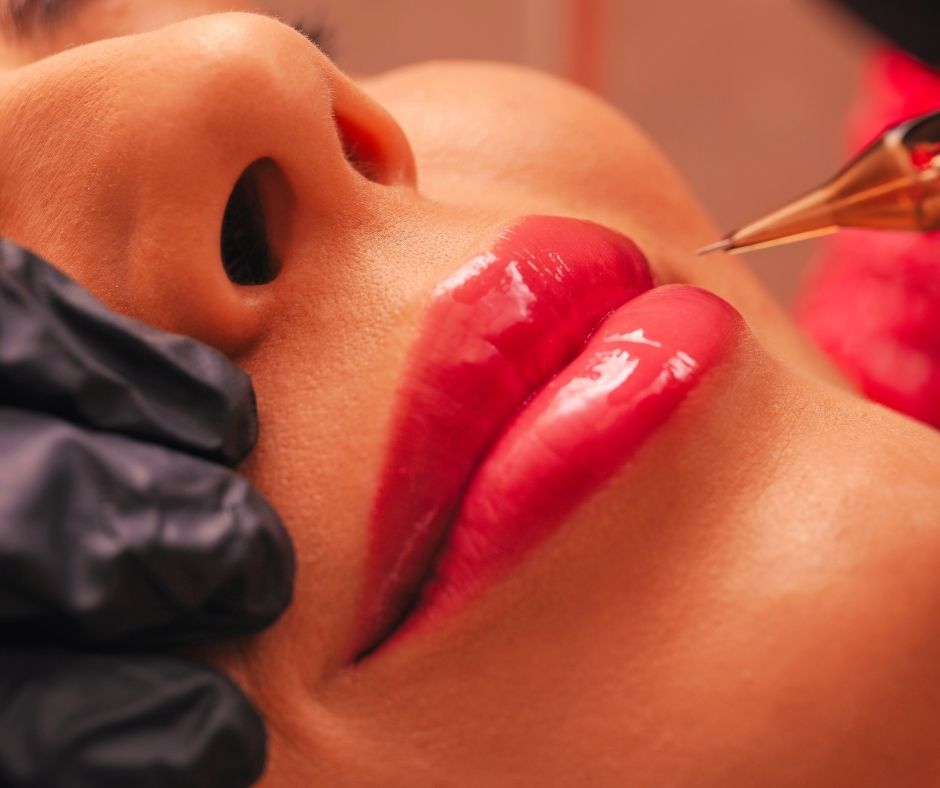
Lip blush in Mississauga ON is a semi-permanent cosmetic tattoo procedure that deposits pigment into the upper layers of the lip skin to enhance natural color, define shape, and create the appearance of a soft tinted lip stain. Most clients describe the healed result as looking like they just applied a sheer lipstick that does not rub off. The procedure takes 2 to 3 hours, including consultation, mapping, numbing, application, and aftercare review.
The technique uses a digital PMU machine with single-use disposable needle cartridges to apply pigment in layered passes across the lip surface and into the vermillion border. Modern lip blush work uses pigments from manufacturers like Permablend, Tina Davies, Perma Blend Luxe, Li Pigments, and Evenflo. These are designed specifically for lip tissue chemistry, which is significantly different from eyebrow or eyeliner skin chemistry. The pigments are not the iron-oxide-only formulations that turned blue or gray on aged work from a decade ago. Modern hybrid formulations retain truer to their healed color and fade more cleanly when they do fade.
Standard lip blush work in the 2026 Mississauga and Toronto market runs CAD $400 to $850 for the initial session including a 6 to 8 week perfecting touch-up. Dark lip neutralization, which addresses naturally pigmented lips, runs CAD $600 to $900 because it typically requires 2 to 3 sessions to neutralize the underlying melanin pigmentation before the chosen color can fully set.
Why the Same Pigment Reads Differently on Different Lips
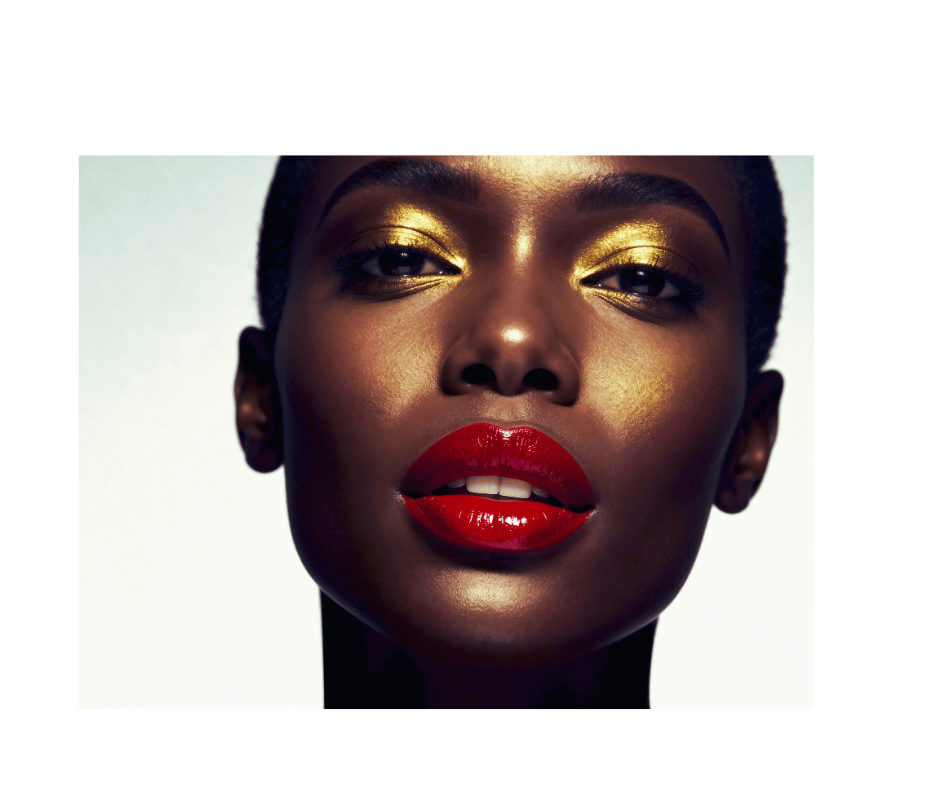
Every lip starts with a base color. That base is the combination of melanin density in the lip tissue, blood flow visible through the skin, and the natural undertone that ranges from cool blue-pink through neutral pink through warm coral through deep plum-purple. Lip blush pigment does not paint over the natural color the way lipstick does. It deposits into the skin and blends optically with whatever is already there. The healed result is the layered combination, not the chosen pigment alone.
That layering reality is what makes cosmetic tattoo Mississauga ON work so different from work in markets with less skin diversity. A client from Streetsville with Fitzpatrick II skin and pale pink natural lips can receive a warm rose pigment and watch it heal as a soft mauve-pink that looks like the reference photo. A client from Hurontario with Fitzpatrick V skin and deep plum natural lips who chooses the same warm rose pigment will see a very different result because the cool blue-purple undertone in the natural lip pigmentation pulls the warm pigment in a completely different direction. The healed color may end up looking muddy, gray, or simply like the original lip color with no visible change. The pigment is not failing. The optical blend is doing exactly what color theory says it will do.
The Color Theory That Actually Matters
Cosmetic tattoo artists who work across the full Fitzpatrick I to VI range build their consultations around opposing-color theory. Cool natural lip pigmentation requires warm-orange neutralizer pigments to balance the underlying blue-purple tone before any chosen color can read true. Warm natural lip pigmentation requires cooler corrector pigments. Neutral lips have the most flexibility and the widest color choice range.
This is why the dark lip neutralization conversation is so common at Xtremities. Clients arriving from Cooksville, Erin Mills L5L, Meadowvale L5N, Etobicoke, and Brampton with naturally cool-toned lip pigmentation often expect that one session of warm rose or coral lip blush will deliver the result they saw on social media. The honest answer is that the first session typically lays down a warm-orange or warm-coral base specifically to neutralize the underlying cool tone, and the chosen final color goes on in a second or third session 8 to 10 weeks later once the neutralizing layer has settled. The client who books one session and stops gets a strange-looking healed result. The client who completes the full multi-session protocol gets the soft natural-looking lip color they actually wanted.
This is the central reality that any honest cosmetic tattoo Mississauga ON consultation has to communicate before any work begins.
Fitzpatrick Skin Type and Lip Anatomy
Fitzpatrick skin type classification (I through VI) describes how skin responds to UV exposure and how it produces melanin. The same classification system applies to lip tissue, but the variations within each Fitzpatrick category produce dramatically different lip blush outcomes.
Fitzpatrick I and II skin (very fair to fair, often Northern European heritage) typically pairs with cool pink to neutral pink natural lip color. Standard warm pigments heal close to the chosen color with minimal neutralization. Fitzpatrick III skin (medium, often Mediterranean and some South American heritage) pairs with neutral to slightly warm natural lip pigmentation. Most pigment families work without significant correction. Fitzpatrick IV skin (olive to medium-tan, often Middle Eastern, South Asian, Filipino, and Latin American heritage) commonly pairs with warm to slightly cool natural lip pigmentation that varies dramatically by individual genetics. Fitzpatrick V skin (medium-dark, often South Asian, African, and Caribbean heritage) frequently pairs with cool plum or deep berry natural lip pigmentation that requires neutralization for warm-toned lip blush to read true. Fitzpatrick VI skin (deep, often African and African-Caribbean heritage) typically pairs with deep plum, brown, or near-black lip pigmentation that almost always requires multi-session neutralization for visible color change.
The Mississauga client base draws from every one of these categories at meaningful volumes, which is why dark lip neutralization is a higher-volume specialization at Xtremities than at studios working in less diverse markets. Studios in markets with predominantly Fitzpatrick I to III clientele often do not encounter this color-theory complexity at all.
What the Healed Result Actually Looks Like
The healed result from lip blush is never the same as the day-one result. This is one of the biggest sources of client frustration in the cosmetic tattoo Mississauga ON market, and it has nothing to do with the artist or the studio. It is simply how lip tissue heals.
Day one through three, the lips look intensely colored, almost like a stained lipstick that will not come off. Most clients love this phase and worry it will fade too much. Day four through seven, the surface flakes naturally as the lip skin sheds the topmost layer carrying excess pigment with it. The lips look patchy and may appear to have lost most of the color. This is the phase clients panic about, and it is also the phase artists warn about most carefully during consultation. Week two through four, the color appears very faint or almost invisible. This is the "ghosting" phase, and it is normal. The pigment is settling into the deeper layers and the surface tissue is regenerating over it. Week six through eight, the true healed color emerges. This is when the perfecting touch-up session is scheduled to address any uneven areas, intensify the color where needed, and adjust the shape if needed.
The 6 to 8 week perfecting session is not optional. It is built into the cost of the procedure and built into the result. Clients who skip it never see the full intended outcome. Clients who book it as scheduled get the soft natural-looking lip color the procedure was designed to deliver.
The Cold Sore Reality That Most Clients Do Not Hear About
Lip blush procedures can trigger cold sore (HSV-1) outbreaks in clients with herpes simplex virus history. The trauma of the cosmetic tattoo procedure is enough to reactivate dormant virus, and an active cold sore during the healing window can cause pigment loss, scarring, and a healing complication that delays the perfecting touch-up.
The protocol that responsible cosmetic tattoo Mississauga ON artists follow is anti-viral prophylaxis. Clients with any cold sore history take a prescription anti-viral medication (commonly Valacyclovir 1 gram daily) starting 48 hours before the appointment and continuing for 5 to 7 days afterward. This protocol does not eliminate all risk, but it dramatically reduces outbreak likelihood during the critical healing window.
Clients who do not disclose cold sore history to their artist are taking a risk with their result. Anyone who has ever had a cold sore, even one in childhood, should mention it during consultation. The pre-procedure prescription is simple to obtain from a family doctor or telehealth visit and protects the investment in the procedure.
Why the GTA Bridal Cycle Concentrates Lip Blush Demand
The GTA bridal market drives substantial cosmetic tattoo demand 6 to 8 weeks ahead of May through October weddings. The 6 to 8 week timeline is not arbitrary. It matches the lip blush healing schedule, which means a bride who wants healed soft natural lip color in her wedding photos books the initial session approximately 10 to 12 weeks before the wedding date and the perfecting touch-up approximately 4 to 6 weeks before. This timing pushes substantial February through August booking volume across Mississauga, Etobicoke, Oakville, and Burlington studios.
Brides with cool-toned natural lip pigmentation who want a warm rose or coral wedding-day lip color need even more lead time because the dark lip neutralization protocol may add a second session into the schedule. A Streetsville L5M bride planning a September wedding with naturally plum-toned lips should be booking her first cosmetic tattoo Mississauga ON consultation in February or March of the same year, not in August.
Studio Standards That Make a Difference
Region of Peel Public Health regulates personal service settings under Ontario Personal Service Settings Regulation 136/18. The regulation requires single-use disposable needle cartridges, autoclave sterilization for any reusable instruments, Bloodborne Pathogens training for all artists, infection prevention and control protocols, and regular Region of Peel Public Health inspection of every cosmetic tattoo studio operating in Mississauga, Brampton, and Caledon.
Clients booking cosmetic tattoo Mississauga ON work should verify Region of Peel Public Health inspection status before any appointment. Studios that meet the standard openly display inspection certificates and use single-use disposable needle cartridges visible to the client during the procedure. Studios that cannot demonstrate this should be avoided regardless of pricing.
What to Bring to a Lip Blush Consultation
The consultation is the most important part of the lip blush process and the part that determines whether the result will match the expectation. Clients arriving at Xtremities for a cosmetic tattoo Mississauga ON consultation get the most value from the appointment when they bring the following.
Reference photos of the desired healed result, ideally from clients with similar skin tone and natural lip pigmentation rather than just any saved Pinterest image
A current lipstick or lip color the client loves wearing, which gives the artist a starting point for pigment selection
A list of any medications including blood thinners, accutane history, and any cold sore or HSV history
Honest information about lifestyle factors including sun exposure habits, smoking, and skincare routine that affect pigment retention
Realistic expectations about the multi-session timeline, especially for clients with naturally pigmented lips who may need 2 to 3 sessions
The consultation is free and takes approximately 30 to 45 minutes. No procedure is performed at the consultation. The artist evaluates skin type, natural lip pigmentation, undertone, and goal alignment before any pigment selection or scheduling.
Aftercare That Protects the Investment
Lip blush aftercare runs 7 to 10 days for surface healing and 6 to 8 weeks for full settling. The protocol is straightforward but does require commitment from the client. Lips stay moisturized with a recommended healing balm. Direct sun exposure is avoided during the surface healing phase. Spicy foods, very hot foods, alcoholic beverages, and citrus are avoided for the first 7 to 10 days. Clients with cold sore history continue anti-viral medication through the prescribed window. Smoking is reduced or paused during healing because nicotine compromises pigment retention. Sun protection with SPF lip balm becomes standard practice for as long as the client wants the lip blush color to last.
Annual touch-ups every 18 to 24 months keep the color fresh. Touch-up pricing in the Mississauga market runs CAD $150 to $300 depending on the studio and how much color refresh is needed. Clients who maintain consistent SPF use, avoid heavy sun exposure, and follow the maintenance schedule typically see lip blush color hold for 2 to 3 years before significant fading.
What Sets the Mississauga Cosmetic Tattoo Market Apart
Mississauga is one of Canada's most ethnically diverse cities with a population of approximately 720,000, and that diversity means cosmetic tattoo work performed in this market has to handle every Fitzpatrick skin type from I to VI as standard practice. Dark lip neutralization, melanin-rich-skin pigment retention, undertone-specific pigment selection for South Asian, East Asian, Caribbean, African, Middle Eastern, and Mediterranean clients are all higher-volume specializations in the Mississauga and broader GTA West market than in any other Canadian PMU market.
Studios that cannot demonstrate experience across this full range produce inconsistent results across the diverse client base. Studios that have built their consultation, pigment library, and color theory practice around this reality produce consistent results regardless of who walks through the door. The cosmetic tattoo Mississauga ON market specifically rewards artists who treat the multicultural skin diversity as the standard rather than the exception.
Xtremities Tattoo and Piercing operates from 37 Dundas Street West in Mississauga L5B 1H2, located in the Cooksville and Mississauga City Centre area immediately adjacent to Square One Shopping Centre and within walking distance of Cooksville GO Station. The studio is open Monday through Saturday 12 PM to 9 PM and Sunday 12 PM to 6 PM, which accommodates evening and weekend appointment scheduling for clients across Mississauga, Etobicoke, Oakville, Burlington, Brampton, Milton, and the broader GTA West market. Region of Peel Public Health inspected under Ontario Personal Service Settings Regulation 136/18. Single-use disposable needle cartridges, autoclave sterilization for reusable tools, and pigment expertise across PhiBrows SUPE, Permablend, Tina Davies, Perma Blend Luxe, Li Pigments, Brovi, and Evenflo. Clients researching cosmetic tattoo Mississauga ON options can book a free in-studio consultation to discuss lip blush, dark lip neutralization, microblading, ombre powder brows, combo brows, eyeliner tattoo, or any other cosmetic tattoo Mississauga ON service by calling Xtremities at +1 905-897-3503 or stopping by the 37 Dundas Street West studio during business hours. Walk-ins are welcome, and same-day booking is available for many services.
Permanent makeup: before, immediately after, and healed – brow, eyeliner, and lip procedures
Permanent makeup, also known as permanent cosmetics, derma-pigmentation, micro-pigmentation, semi-permanent makeup and cosmetic tattooing,[1] is a cosmetic technique which employs tattooing techniques to replicate the appearance of traditional makeup, such as for eye liner, eyebrows, and lip color. Permanent makeup is done for both aesthetic and medical purposes, as it is sometimes used after reconstructive surgery.
Permanent makeup has evolved from a tattooing practice to a more widely accepted, sophisticated procedure. It has become very popular,[citation needed] not only because of its cosmetic advantages but also for its convenience and enhancing quality of life. However, it does come with risks. Complications include allergic reactions, migration of pigment, or even infections, which underscore the importance of high-quality materials and skilled technicians.
As permanent makeup gradually gained popularity, its safety concerns, regulatory challenges, and options for removal also attracted attention.
The most widely documented first use of permanent makeup treatment was done by the famous U.K. tattoo artist Sutherland MacDonald.[2] In 1902, at his parlor, #76 Jermyn Str., London, he "perfected his method of giving a lasting complexion of the utmost delicacy to pale cheeks."[3] The tattooist George Burchett, a major developer of the technique in the 1930s, described in his memoirs how beauty salons tattooed many women without their knowledge, offering it as a "complexion treatment ... of injecting vegetable dyes under the top layer of the skin."[4][5] Permanent makeup became much more commonplace beginning in the 1970s and 1980s, when it was used to address hair and pigment loss due to disease,[6] and now it is considered very normal.[7]
One may opt for permanent makeup for a plethora of reasons. For some, it can replace the daily application of traditional makeup products in favor of a more lasting solution.[8] This is especially useful for older women whose eyesight might not be good enough to apply the makeup[9] or who have degenerative diseases such as Parkinson's which severely limits motor ability.[6] Others may have the procedure to restore color areas that have lost it due to disease. This includes micro pigmentation for people with alopecia and vitiligo, and areola recoloring for breast cancer patients. Permanent makeup is also a common practice in some African cultures, who use certain tattoos to signify status.[7][10]
As with any tattoo, there are cases of undesired results, whether that be from the initial application or degradation over time.[11] Since this is the case, patients should come in with realistic expectations of what the makeup will look like.[9] One factor that heavily influences how the cosmetic tattoo looks is skin tone. This is because the same color may look different on different skin tones. Another factor that affects the appearance of these tattoos is sun exposure and lifestyle, which can fade the tattoos.[12]
As with any occupation, permanent makeup technicians need to complete required training in order to practice, although these requirements vary from state to state. The average technician completes an apprenticeship around nine months in length; however, certification programs vary from a single day to four years.[1][9] Once they complete their certification, the technician must submit various documents, including proof of certification, apprenticeship, and insurance, before practicing.[9]
Permanent cosmetics technicians are urged to comply with "standard precautions" and a uniform code of safe practice while performing cosmetic tattooing procedures.[13][14] This includes assessing whether the patient should receive permanent makeup at all and informing adequately informing them about the risks associated with the practice.[9]
In a study done regarding the possible complications of permanent makeup, the most common side effects were itching, redness, and the occasional swelling, all of which tended to heal after a few days.[15] While uncommon, permanent makeup can potentially come with more serious complications, including allergic reactions to the pigments, infection, granulomas, keloids, bleeding, crusting, loss of eyelashes, or general damage to the tattooed area.[11][16] Although properly trained technicians will maintain sterile conditions during application,[17] the use of unsterilized tattooing instruments may also infect the patient with serious diseases such as HIV and hepatitis.
On very rare occasions, people with permanent makeup have reported swelling or burning in the affected areas when they underwent magnetic resonance imaging (MRI).[18] Nevertheless, most such cases indicated that poor quality pigments, pigments adulterated with heavy metals, and pigments with diamagnetic properties may have been the causative factors.[19][20] Permanent makeup can also reportedly affect the quality of an MRI image, however, complications can be avoided as long as medical professionals are previously informed.[11]
In the United States, the inks used in permanent makeup are subject to approval as cosmetics by the Food and Drug Administration. While certain pigments in tattoos lack FDA approval for use in permanent cosmetics, competing public health priorities and lack of safety problems have consequently caused loose regulations around what color pigments tattoo inks can contain. Thus, there is little regulation on the type of inks used, with some pigments not approved for skin contact or refined only to an industrial-grade level, i.e. printers' ink, automobile paint, etc..[21]
If a tattooist lacks proper training, patients run the risk of the artist injecting the ink too deep into their skin, causing the pigment to migrate into the surrounding tissue. As a result, the makeup may appear blurry and lack definition for thin line work.[11] Due to their lymphatic distribution, older patients may have an increased risk for pigment migration following permanent eyelash makeup,[22] although migration is generally avoidable by not over-working swollen tissue. Removing migrated pigment is a difficult and complicated process, so it must be avoided if possible.[23]
As with tattoos, permanent makeup can be difficult, or even impossible, to remove.[12] Common techniques used for this are laser tattoo removal, dermabrasion (physical or chemical exfoliation), and surgical removal.[23] Different types of chemical removals have also become a popular option for permanent makeup removal.
Lip blush typically holds for 2 to 3 years in the Mississauga market when clients follow proper aftercare and maintenance. The color fades gradually rather than disappearing, with most clients booking annual or biannual touch-ups every 18 to 24 months at CAD $150 to $300 to refresh the color before it fades too far. Lifestyle factors affect the timeline significantly. Heavy sun exposure without SPF lip balm shortens the result. Smoking compromises pigment retention. Consistent skincare with retinol or acid-based products around the lip area accelerates fading. Clients who maintain SPF lip balm as part of daily routine and avoid harsh exfoliation around the lips typically see lip blush color hold closer to the 3-year mark before needing significant refresh work.
Does lip blush hurt and what should clients expect during the appointment?
Most clients describe lip blush as feeling like firm pressure with intermittent stinging rather than sharp pain. The procedure uses a strong topical anesthetic cream containing lidocaine 5 percent and tetracaine, applied 20 to 30 minutes before the work begins, plus a secondary anesthetic gel that activates on broken skin during the procedure. The numbing protocol is significantly more effective than what is used for traditional tattooing because the lip tissue absorbs the topical cream more efficiently than thicker skin. The full appointment takes 2 to 3 hours including consultation, mapping, numbing, application, and aftercare review. The actual pigment application time is approximately 60 to 90 minutes. Most clients leave the appointment with mild swelling that subsides within 24 to 48 hours.
Can clients with naturally dark or pigmented lips get lip blush?
Yes, and this is one of the most-requested cosmetic tattoo services in Mississauga's multicultural client base. The procedure for naturally pigmented lips is called dark lip neutralization, and it differs from standard lip blush in that it requires 2 to 3 sessions rather than one initial session plus a touch-up. The first session typically lays down a warm-orange or warm-coral neutralizing pigment to balance the underlying cool blue-purple melanin pigmentation in the natural lip color. The chosen final color goes on in a second session approximately 8 to 10 weeks later, with a third session sometimes added to refine intensity. Pricing in the 2026 Mississauga market for dark lip neutralization runs CAD $600 to $900 for the full multi-session protocol, compared to CAD $400 to $850 for standard lip blush on naturally light-toned lips.